Bottom line: IRA approved gold bars must be at least .995 fine (99.5% pure) under IRC §408(m)(3)(B), produced by an LBMA-accredited refiner or national government mint, and stored in an IRS-approved depository — never at home. The best IRA-approved gold bar brands include PAMP Suisse, Credit Suisse, Valcambi, and Perth Mint. You can only purchase IRA-eligible gold through a self-directed IRA (SDIRA) with a qualified custodian. This guide covers everything: IRS eligibility rules, the best brands for sale, custodian fees, how to roll over a 401(k) or IRA, and answers to every question from first-time investors.
What Are IRA Approved Gold Bars?
IRA approved gold bars are physical gold bullion products that meet Internal Revenue Service fineness standards and custody requirements for inclusion in an IRA. Approved gold must meet a minimum gold content of 99.5% (.995 fineness) for bars, and it must be produced by a sovereign government mint or a refiner/assayer accredited by a recognized body. A gold IRA can also hold silver, platinum, and palladium when they meet IRS fineness standards — see the table below.
IRS Fineness Standards by Metal (IRC §408(m)(3))
| Metal | Minimum Fineness | % Purity | Example Eligible Products |
|---|
| Gold | .995 | 99.5% | PAMP Suisse 1oz, Credit Suisse 10oz (exception: Gold Eagle .9167) |
| Silver | .999 | 99.9% | American Silver Eagle, Canadian Maple |
| Platinum | .9995 | 99.95% | American Platinum Eagle, PAMP Platinum |
| Palladium | .9995 | 99.95% | American Palladium Eagle, Credit Suisse Palladium |
IRS rules (IRC §408(m)) mandate that IRA-approved gold bars live inside an IRS-approved depository under a qualified custodian — home storage voids the tax status and triggers immediate distribution treatment.
Gold Content and Eligibility
To qualify as IRA eligible gold, bars generally must be .995 pure or better. The American Gold Eagle is a specific exception among gold coins because, despite its .9167 gold content, it is specially permitted by the IRS. IRA-approved gold bars from 1g PAMP Fortuna up to 1kg Valcambi qualify when they carry .995+ fineness and an LBMA Good Delivery refiner stamp. Each bar ships in a tamper-evident assay card bearing a unique serial number — your proof of authenticity for the depository.
Complete List of IRA-Approved Gold Bars by Brand (2026)
These bars meet IRC §408(m)(3)(B) eligibility — .995+ fineness from LBMA Good Delivery refiners or sovereign mints.
| Bar | Refiner | Fineness | Weights Available | Typical Premium Over Spot |
|---|
| Fortuna (cast & minted bar) | PAMP Suisse | .9999 | 1g, 5g, 10g, 1oz, 10oz, 1kg | 3–6% |
| Statue of Liberty | Credit Suisse | .9999 | 1oz, 10oz, 1kg | 3–5% |
| Valcambi CombiBar (50×1g) | Valcambi Suisse | .9999 | 50×1g (50g total) | 5–8% |
| Cast Bar | Perth Mint | .9999 | 1oz, 10oz, 1kg | 2–4% |
| Kinebar (minted bar with hologram) | Argor-Heraeus | .9999 | 1g, 10g, 1oz | 4–7% |
| Gold Bar (Bullion DNA verified) | Royal Canadian Mint | .9999 | 1oz, 10oz, 1kg kilobar | 2–4% |
| Sunshine Mint Bar (Veriscan) | Sunshine Minting | .999 | 1oz, 10oz, 1kg | 2–4% |
| Gold Bar (ISO 9001 certified) | Asahi Refining | .9999 | 1oz, 10oz | 2–3% |
Why Investors Choose IRA Approved Gold Bars

Gold held in an IRA reduces portfolio volatility by an average of 12–18% when allocated at 5–10%, according to the World Gold Council's 2024 retirement study. Three reasons investors add IRA-approved gold bars: (1) non-correlation to equities (0.05 30-year correlation), (2) USD hedge during CPI > 4% inflation cycles, (3) tax-deferred or tax-free growth inside the SDIRA wrapper. Historical price data confirms gold outperformed the S&P 500 during the 2000–2010 "lost decade" and the 2022 inflation shock, making it a meaningful complement to equity-heavy retirement accounts.
Potential Advantages
- Diversification: Gold, silver, platinum, and palladium broaden asset exposure beyond stocks and mutual funds.
- Inflation hedge: Many experts view gold as a hedge when currency purchasing power declines.
- Tangible asset: Physical gold bars carry an assay certificate, serial number, and tamper-evident assay card — verifiable in a way paper assets cannot match.
- Market depth: Popular gold bars and bullion coins trade actively, supporting liquidity and transparent price discovery.
Considerations and Risks
- Price volatility: Gold price swings can affect the short-term value of your fund and account.
- Fees: Custodian fees, storage costs at an IRS approved depository, and dealer spreads affect overall returns.
- Compliance: The IRS has specific rules; failing to follow them can jeopardize your IRA’s tax advantages.
IRS Rules: What Makes Gold Bars IRA Approved?
The Internal Revenue Service maintains standards for eligibility and storage. Key rules for ira approved gold include: minimum fineness (.995 for bars), custody through a qualified custodian (self directed IRA trustee), storage in an IRS approved depository, and restrictions on collectibles. While bullion coins and bars are generally eligible, numismatic or collectible coins usually are not, with exceptions for sovereign bullion issues like the American Gold Eagle. Always confirm with your custodian that specific gold products are eligible before you purchase IRA eligible gold.
Popular IRA Eligible Gold Products
- Gold bars: PAMP Suisse, Credit Suisse, Royal Mint bars, and other LBMA-good delivery brands in .995+ fineness.
- Gold coins: American Gold Eagle, Canadian Maple Leaf, Australian Kangaroo, and select bullion issues from the US Mint, Royal Canadian Mint, and sovereign government mints.
- Other precious metals: Silver coins and bars in .999 fineness, and bullion coins or bars of platinum and palladium at .9995.
Gold Bars vs. Gold Coins in a Precious Metals IRA
Investors often compare gold bars to bullion coins when building a gold IRA. Bars can offer a great price per ounce due to lower premiums, especially in larger sizes. Coins such as the American Gold Eagle and the Canadian Maple Leaf appeal for global recognizability, often aiding resale. Both bars and coins are common in a precious metals IRA, and the choice depends on objectives, storage preferences, and liquidity needs. Rounds are typically not issued by a sovereign government mint and may not qualify unless they meet strict criteria as bullion products and are accepted by your custodian.
Bars, Coins, and Rounds: What to Know
- Bars: Efficient gold content, often lower premium, available in small bullion bars (1 oz) up to larger bars.
- Coins: Backed by a sovereign government, widely recognized, eligible issues include American Gold Eagle and Maple Leaf.
- Rounds: Usually private-mint products; eligibility is less common than sovereign bullion coins.
Which Mints and Brands Commonly Qualify?
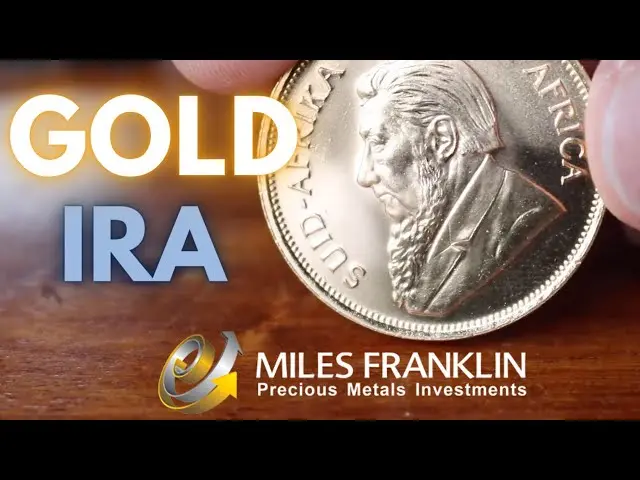
For approved gold, look to sovereign and reputable private mints. The US Mint produces the American Gold Eagle; the Royal Canadian Mint strikes the Canadian Maple Leaf; Australia’s Perth Mint issues the Australian Kangaroo; the Royal Mint (United Kingdom) makes Britannia gold products. Private refiners like PAMP Suisse and Credit Suisse are widely accepted for gold bars in a gold IRA, provided the bars satisfy fineness and chain-of-custody requirements. Your custodian can verify whether specific gold products meet eligibility rules.
How a Self Directed IRA Works for Precious Metals
A self directed IRA allows you to invest in a broader range of assets—such as ira approved gold bars, approved gold coins, and other precious metals—beyond conventional funds and stocks. With a self directed ira, you appoint a custodian or trustee who handles record-keeping and ensures compliance with IRS regulations. You then direct the purchase of gold bullion from a dealer, and the custodian arranges storage at an IRS approved depository. Self directed accounts can be structured as a traditional IRA or a Roth IRA depending on your tax strategy and eligibility.
Traditional IRA vs. Roth IRA for Gold
- Traditional IRA: Contributions may be tax-deductible depending on income and participation in workplace plans; distributions are taxed as ordinary income.
- Roth IRA: Contributions are made with after-tax money; qualified distributions are tax-free; consult your advisor to see which account is appropriate.
How to Purchase IRA Eligible Gold
The process to purchase IRA eligible gold typically involves opening a self directed IRA, funding the account through contribution, transfer, or rollover, selecting gold bars and coins that qualify, and instructing your custodian to execute the purchase. Your custodian wires funds to the dealer, and the dealer ships the IRA-approved gold bars (insured, sealed, serial-numbered) directly to your chosen depository within 3–5 business days. Many investors work with dealers who specialize in precious metals IRA transactions to help ensure a smooth transaction and clear documentation. Always verify the gold content, mint or refiner accreditation, and eligibility before finalizing the purchase.
Step-by-Step Process
- Open a self directed IRA with a qualified custodian familiar with precious metals IRAs.
- Fund the account by transfer, rollover, or annual contribution according to IRS rules.
- Select ira approved gold bars, bullion coins, and other precious metals products that qualify.
- Instruct the custodian to purchase from a reputable dealer at a transparent price.
- Confirm secure delivery to an IRS approved depository.
- Retain records for compliance and future reporting.
Storage: IRS Approved Depository and Security
To keep IRA status intact, the Internal Revenue Service requires that IRA approved gold be held by an IRS approved depository. Home storage of IRA gold is not permitted. Six depositories hold the vast majority of IRA gold in the United States: Delaware Depository (Wilmington, DE), Brinks Global Services (Salt Lake City, UT), IDS of Delaware (Wilmington, DE), HSBC Bank (New York, NY), JPMorgan Chase (New York, NY), and Texas Bullion Depository (Austin, TX). All offer segregated vs. commingled (non-segregated) storage — segregated means your specific bars are vaulted separately and you receive the exact bars you deposited. Discuss storage options, fees, and reporting with your custodian to ensure compliance and clarity in your retirement account statements.
IRS-Approved Depository Fee Comparison
| Depository | Location | Non-Segregated/yr | Segregated/yr |
|---|
| Delaware Depository | Wilmington, DE | $100 min (0.5% AUM) | $150 min (0.6% AUM) |
| Brinks Salt Lake City | Salt Lake City, UT | $100 min | $150 min |
| IDS of Delaware | Wilmington, DE | $75 min | $125 min |
| Texas Bullion Depository | Austin, TX | $75 min | $120 min |
Costs, Premiums, and Fees
When investing in approved gold, consider all-in costs. The price of gold bars and bullion coins includes a premium over spot, which varies by product and mint. Bars often carry a lower premium than coins. Custodian setup fees range $50–$250; annual admin runs $80–$300 (Equity Trust: $225/yr; STRATA Trust: $95/yr). Depository storage costs 0.5%–1.0% of asset value annually — Delaware Depository charges $100 minimum non-segregated, $150 segregated; Brinks Salt Lake charges $150 segregated. IDS of Delaware and CNT Depository offer competitive segregated vs. commingled storage tiers. Typical all-in year-one cost on a $50,000 gold IRA: $350–$650. The spot price premium (bid-ask spread) varies by bar: 1 oz bars carry 3–6% over spot; kilobars typically 1–2%. Comparing dealers on the full all-in cost — not just the spot price — is essential before you purchase IRA-approved gold bars.
Price, Value, and Liquidity
Gold’s value is influenced by global markets, currency trends, and investor demand. The quoted price per ounce for gold bullion changes throughout the day. Widely recognized bars and coins—such as PAMP Suisse gold bars, Credit Suisse bars, American Gold Eagles, and Canadian Maple Leafs—enjoy deep market liquidity. Many investors prefer assets backed by a sovereign government or established brands to help streamline eventual resale or required minimum distribution strategies.
Eligible Precious Metals Beyond Gold
While this guide emphasizes ira approved gold bars, a precious metals IRA can also include silver, platinum, and palladium when they meet fineness standards. Silver coins like the American Silver Eagle and silver bars at .999 can complement gold as part of a diversified strategy. Platinum and palladium bars and bullion coins are also options for some investors seeking broader exposure. Copper is not an IRA eligible precious metal for inclusion in a gold ira or precious metals ira.
Rollover and Transfer Options
You can move funds from an existing retirement account into a self directed IRA to purchase ira approved gold. A direct trustee-to-trustee transfer or rollover from a traditional IRA, Roth IRA, or certain employer plans may be possible. Always coordinate with your custodian and current provider to avoid triggering taxes or penalties. The process typically includes paperwork, verification of account details, and adherence to IRS timelines.
Minimum Investment Requirement and Order Sizes
The minimum investment requirement for adding approved gold varies by custodian and dealer. Some providers allow small initial purchases of gold bars or coins, while others have higher thresholds. Small bullion bars and fractional coins may help you get started if you want to deploy a modest amount of money. Confirm your custodian’s fund minimums, account fees, and transaction policies before placing an order.
Coin and Bar Examples: Popular Choices for a Gold IRA
- American Gold Eagle (US Mint): A staple for many investors; specifically permitted by the IRS.
- Canadian Maple Leaf (Royal Canadian Mint): High gold content and strong global recognition; often listed simply as Maple Leaf.
- Australian Kangaroo (Perth Mint): A well-known bullion coin option.
- PAMP Suisse and Credit Suisse gold bars: Trusted private refiners known for quality and consistent specifications.
- Royal Mint and other sovereign mints: Bars and coins that meet eligibility and fineness standards.
Coins, Bars, and Rounds: Practical Selection Tips
Choosing between coins, bars, and rounds involves balancing price, eligibility, and ease of liquidation. Bars can offer more gold for the price compared to coins, but some investors prefer the recognizability of sovereign bullion. Rounds, produced by private mints, are not always eligible for an IRA, so confirm with your custodian before purchase. Reputable dealers will clearly identify which gold products are eligible for a precious metals IRA and which are not.
Common Mistakes to Avoid (Home Storage IRA Myth & Prohibited Transactions)
- Home Storage IRA myth: Some companies market "checkbook IRA" or LLC IRA structures claiming you can store gold at home. The IRS and Tax Court have consistently ruled home storage of IRA gold triggers a prohibited transaction under §4975, resulting in full distribution (taxable income) plus a 10% penalty if under age 59½. The Home Storage IRA myth is one of the costliest mistakes Gold IRA investors make.
- Prohibited transactions (§4975): Buying gold from or selling gold to a disqualified person (yourself, family member, or fiduciary) violates UBTI and §4975 rules — avoid all self-dealing.
- Buying collectibles: Numismatic coins, jewelry, and rounds from unaccredited mints are not IRA-approved; purchasing them inside an IRA triggers immediate distribution under IRC §408(m)(2).
- Ignoring the full all-in cost: Custodian fees, spot price premium, bid-ask spread, and depository fees all affect net return — compare these, not just the advertised kit price.
- Skipping IRS Notice 2007-80: This notice confirms the American Gold Eagle's special eligibility despite its .9167 fineness. Confirm eligibility for any non-standard product with your custodian before purchase.
Taxes, Distributions, and Rules of the Road
Tax treatment depends on whether your account is a traditional IRA or Roth IRA. Traditional distributions are generally taxed as ordinary income; Roth qualified distributions are tax-free under current law. Gold IRA holdings are subject to required minimum distribution rules in traditional accounts. Consult a qualified professional for personal finance topics like contribution limits, RMD strategies, and how gold fits your overall investment plan.
Authenticity, Security, and Documentation
Only purchase approved gold from reputable sources that provide proper documentation. Look for assay cards, serial numbers for bars, and clear invoices listing gold content, mint, and price. Your IRS approved depository should provide confirmations of receipt and ongoing statements, reinforcing the security and chain of custody for your retirement account holdings. Proper documentation supports valuation, insurance, and compliance for your precious metals IRA.
Comparing Gold to Stocks and Funds
Gold behaves differently than stocks, mutual funds, and bonds. It does not pay dividends or interest, but it can add balance to a diversified allocation. Many experts and many investors appreciate that gold tends to move independently from equities. While no investment is guaranteed, including a measured allocation of approved gold, silver, and other precious metals may help manage risk while pursuing long term investment goals.
How to Evaluate Dealers and Custodians
When purchasing precious metals for a gold ira, choose partners that emphasize transparency and compliance. Look for clearly posted premiums, buyback policies, secure payments, and robust customer support. A dealer who helps coordinate with your self directed IRA custodian and depository can reduce friction. Aim for excellent service and a great price from firms that understand how to maintain IRA eligibility and arrange insured shipping to the depository.
Checklist When You Purchase IRA Eligible Gold
- Confirm eligibility: approved gold bars or bullion coins that meet fineness and mint criteria.
- Verify the custodian: experienced with precious metals ira administration.
- Storage: established IRS approved depository with insurance and audits.
- Documentation: invoices, certificates, and statements that detail gold content and product specifications.
- Exit strategy: understand resale channels and potential spreads before you buy.

🏆 Special Offer from Augusta Precious Metals
Augusta Precious Metals is America's #1 rated Gold IRA company. Get your FREE Gold IRA Kit today — no obligation, ships within 24-48 hours.
Request Your Free Gold IRA Kit →
✓ No obligation ✓ 100% Free ✓ Ships in 24-48h
Frequently Asked Questions
What is IRA approved gold?
IRA approved gold refers to gold bullion bars and bullion coins that meet Internal Revenue Service standards for inclusion in a self directed IRA. Most gold bars must be at least .995 fineness and produced by a recognized refiner or sovereign government mint. Sovereign bullion coins such as the American Gold Eagle and the Canadian Maple Leaf are commonly eligible, though collectibles are generally not. The gold must be held by a qualified custodian and stored at an IRS approved depository to remain compliant within your individual retirement account.
Can I buy physical gold in an IRA?
Yes. Through a self directed ira, you can purchase physical gold—such as ira approved gold bars and eligible bullion coins—and have them stored in an IRS approved depository. You cannot keep IRA gold at home or in a personal safe. The process involves opening a self directed account with a custodian, funding it, selecting eligible gold products, and instructing the custodian to complete the purchase and arrange secure storage. Both traditional ira and roth ira structures can hold approved gold within the rules.
What gold company does Mike Huckabee endorse?
Public marketing materials have featured Mike Huckabee endorsing Goldco in connection with precious metals IRAs in the United States. Endorsements are promotional and do not constitute personalized financial advice. Always conduct independent due diligence when you purchase precious metals, compare dealers and custodians, and evaluate price, fees, and eligibility for your retirement account.
What if I invested $1000 in gold 10 years ago?
This depends on the gold price at the time of purchase and today’s price. As a simplified example, if you bought $1,000 of gold around 2015 when gold averaged roughly $1,200 per ounce, you would have acquired about 0.83 ounces. If gold were about $2,400 per ounce today, that 0.83 ounces would be worth approximately $2,000 before any dealer spreads, fees, or storage costs. This illustration is for education only; actual results vary with purchase date, premiums, and the current market price. Past performance does not guarantee future results.
Should you hold gold in an IRA?
Gold belongs in an IRA for investors seeking inflation hedging and equity non-correlation at a 5–10% allocation. The World Gold Council's 2024 retirement study shows this range reduces portfolio drawdowns by 12–18% without hurting long-run returns. Gold's 30-year correlation to equities is approximately 0.05, making it a true portfolio diversifier inside a tax-advantaged SDIRA wrapper. Risks include no dividend income, custodian and depository fees (Delaware Depository, Brinks, IDS of Delaware), and short-term price volatility from changes in the bid-ask spread and spot price.
Why does Dave Ramsey say not to invest in gold?
Dave Ramsey argues gold pays no dividends and lags the stock market's CAGR over 30-year horizons. Counter-view: gold outperformed the S&P 500 during the 2000–2010 "lost decade" and the 2022 inflation shock. Most advisors recommend 5–10% gold allocation, not 0% or 100%. Inside an IRA, that allocation benefits from tax-deferred or tax-free growth — an advantage outright gold ownership does not provide.